
Attention-Deficit/Hyperactivity Disorder (ADHD) can affect learning, relationships, employment, and overall quality of life if left undiagnosed or unsupported. For Aboriginal and Torres Strait Islander peoples, accessing culturally safe and respectful healthcare is essential to achieving accurate diagnoses and meaningful support. Aboriginal ADHD assessments are designed to consider cultural values, lived experiences, and individual circumstances while identifying symptoms of ADHD.
Whether for children or adults, an Aboriginal ADHD Assessment in Campbelltown provides valuable insights that help individuals and their families understand ADHD and access the right support services. Similarly, an Aboriginal Adult ADHD Assessment in Campbelltown can assist adults in recognising long-standing challenges and developing effective strategies for daily life.
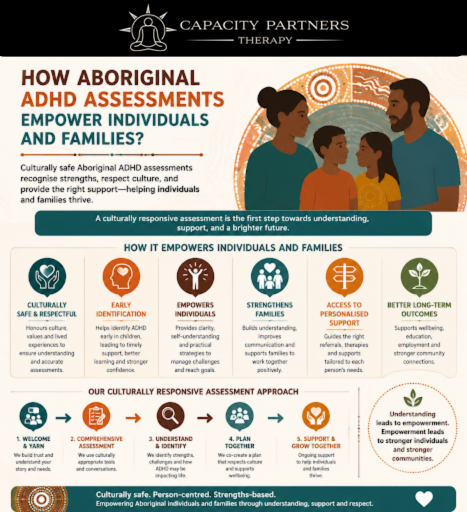
Promoting Culturally Safe Assessments
Every person’s experiences and cultural background influence how they communicate, learn, and interact with others. A culturally responsive ADHD assessment recognises these factors and ensures the assessment process is respectful, inclusive, and free from assumptions.
Professionals conducting an Aboriginal ADHD assessment in Campbelltown use evidence-based assessment methods while considering cultural context, helping reduce the risk of misdiagnosis and ensuring individuals receive appropriate recommendations.
Supporting Early Identification
Early identification of ADHD allows children and families to access timely support before challenges become more significant. Difficulties with attention, impulsivity, organisation, or emotional regulation can affect school performance, friendships, and confidence if left unrecognised.
An early assessment helps parents, teachers, and healthcare providers work together to create supportive learning environments and practical strategies that encourage positive development and long-term success.
Empowering Adults Through Understanding
Many adults live with undiagnosed ADHD for years without understanding why they experience ongoing difficulties with concentration, organisation, time management, or emotional regulation. Receiving an Aboriginal adult ADHD assessment in Campbelltown can provide clarity and explain challenges that may have affected education, employment, and relationships.
An accurate diagnosis empowers adults by helping them access appropriate therapies, workplace adjustments, coaching, and treatment options that improve daily functioning and overall wellbeing.
Strengthening Families Through Education
ADHD affects not only the individual but also their family members. Understanding the condition helps families communicate more effectively, reduce misunderstandings, and provide practical support. Following an assessment, families often receive education about ADHD symptoms, behavioural strategies, and available community resources. This shared understanding encourages stronger relationships, reduces stress, and builds confidence in supporting loved ones throughout different stages of life.
Access to Personalised Support Services
An ADHD assessment is the beginning of an ongoing support journey rather than the final step. Assessment outcomes can guide referrals to psychologists, occupational therapists, speech pathologists, educators, and other healthcare professionals.
Personalised support plans may include behavioural strategies, counselling, educational adjustments, skill development, and ongoing therapy, helping individuals achieve their personal, educational, and professional goals.
Aboriginal ADHD assessments provide far more than a diagnosis as they empower individuals and families through culturally safe care, early intervention, greater understanding, and access to tailored support services. By recognising each person’s unique strengths and experiences, these assessments help improve confidence, wellbeing, education, employment, and long-term quality of life.
Make An Appointment Today
If you or a loved one may benefit from an assessment, Capacity Partners Therapy offers compassionate and culturally responsive Aboriginal ADHD Assessment in Campbelltown and Aboriginal Adult ADHD Assessment in Campbelltown services. Contact Capacity Partners Therapy today to arrange a professional assessment and take the first step towards personalised support and improved wellbeing.
Why are culturally safe ADHD assessments important?
Culturally safe assessments help ensure that cultural values, communication styles, and lived experiences are respected, reducing the risk of misdiagnosis and improving the quality of care.
Who can benefit from an Aboriginal ADHD assessment?
Children, adolescents, and adults who are experiencing ongoing difficulties with attention, impulsivity, hyperactivity, organisation, or emotional regulation may benefit from an assessment.
How does an Aboriginal ADHD assessment support families?
The assessment helps families better understand ADHD, improve communication, access support services, and develop practical strategies that promote positive outcomes at home, school, and work.
What happens during an Aboriginal ADHD assessment?
The assessment typically includes interviews, behavioural questionnaires, medical and developmental history, and evidence-based assessment tools to evaluate ADHD symptoms and their impact on daily life.
Can adults receive an Aboriginal ADHD assessment?
Yes. Adults who suspect they may have ADHD can undergo a comprehensive assessment to better understand lifelong challenges and explore suitable treatment and support options.
How can an ADHD assessment improve educational outcomes?
An accurate diagnosis allows schools and educators to implement personalised learning strategies, classroom adjustments, and additional support that help students succeed academically.
Are Aboriginal ADHD assessments confidential?
Yes. Qualified healthcare professionals conduct assessments confidentially and manage personal information in accordance with Australian privacy laws and professional ethical standards.
What support is available after an ADHD assessment?
Depending on the assessment outcomes, individuals may be referred for psychology, occupational therapy, counselling, educational support, behavioural strategies, or medical treatment where appropriate.
Why is early ADHD assessment important for Aboriginal individuals and families?
Early assessment enables timely intervention, improved access to support services, stronger educational and social outcomes, and greater confidence for individuals and their families in managing ADHD effectively.

