

Choosing the right behaviour support practitioner is an important decision for individuals, families and carers seeking personalised support. A skilled professional can help understand behaviours, identify underlying needs and develop practical strategies that improve daily experiences and overall wellbeing. With many providers available, knowing what to look for can make the selection process easier. A … Continue reading How to Choose a Behaviour Support Practitioner in Sydney?
All posts by admin
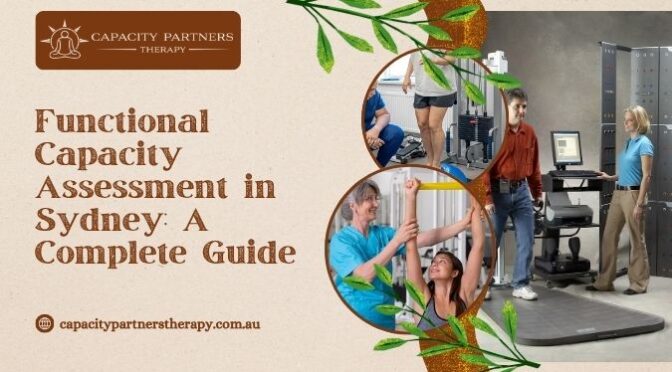
A Functional Capacity Assessment (FCA) is an important assessment for people who may need support with daily activities, independence and participation. In Sydney, an FCA can help identify how a person’s abilities affect their everyday life and what supports may help them achieve their goals. What Is a Functional Capacity Assessment? A Functional Capacity Assessment is a comprehensive evaluation of … Continue reading Functional Capacity Assessment in Sydney: A Complete Guide
For many adults, recognising the signs of ADHD later in life can feel both validating and overwhelming. Maybe you’ve struggled with focus at work, felt constantly disorganised, or noticed patterns that trace back to childhood. Seeking a proper adult adhd assessment Bankstown or Parramatta is often the first real step toward understanding yourself better and … Continue reading What Really Happens During an Adult ADHD Assessment?

Drink driving and DUI assessments are professional evaluations designed to determine how alcohol or substance use may have contributed to a driving offence and whether further education, treatment, or support is required. In Sydney, these assessments are often requested as part of legal proceedings, licence reinstatement processes, workplace requirements, or personal rehabilitation programs. The assessment … Continue reading Drink Driving and DUI Assessments: What to Expect and Why They Matter
A Functional Behaviour Assessment (FBA) is a structured process used to understand why a person displays behaviours of concern and what factors may be influencing those behaviours. Rather than focusing solely on the behaviour itself, the assessment identifies the underlying reasons behind it. In Sydney, Functional Behaviour Assessments are commonly used within the NDIS framework … Continue reading What Happens During a Functional Behaviour Assessment?
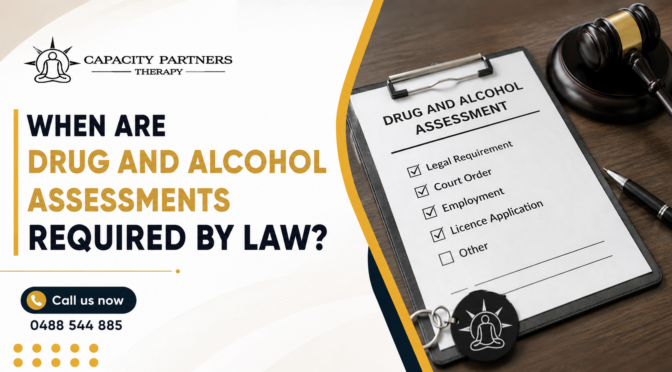
Drug and alcohol assessments play an important role in maintaining safety, legal compliance, and workplace responsibility across many industries. These assessments help identify substance use issues that may impact a person’s ability to perform duties safely and effectively. In Australia, there are specific circumstances where such assessments are required by law, particularly in safety-sensitive roles, … Continue reading When Are Drug and Alcohol Assessments Required by Law?
Attention-Deficit/Hyperactivity Disorder (ADHD) can affect learning, relationships, employment, and overall quality of life if left undiagnosed or unsupported. For Aboriginal and Torres Strait Islander peoples, accessing culturally safe and respectful healthcare is essential to achieving accurate diagnoses and meaningful support. Aboriginal ADHD assessments are designed to consider cultural values, lived experiences, and individual circumstances while … Continue reading How Aboriginal ADHD Assessments Empower Individuals and Families?
Attention Deficit Hyperactivity Disorder (ADHD) can affect concentration, organisation, emotional regulation, impulsivity and daily functioning. While many people associate ADHD with children, adults can also experience symptoms that impact work, relationships and overall wellbeing. If you are considering an ADHD assessment in Sydney, understanding the process beforehand can help reduce uncertainty and make the experience … Continue reading What to Expect in an ADHD Assessment By a Specialist?
Welcome to WordPress. This is your first post. Edit or delete it, then start writing!

