
For many adults, recognising the signs of ADHD later in life can feel both validating and overwhelming. Maybe you’ve struggled with focus at work, felt constantly disorganised, or noticed patterns that trace back to childhood. Seeking a proper adult adhd assessment Bankstown or Parramatta is often the first real step toward understanding yourself better and accessing the right support.
If you’re considering booking an assessment but aren’t sure what to expect, this guide breaks down the process from start to finish, helping you feel more prepared and less anxious about the journey ahead.
Start Your Journey Toward Better Understanding
You deserve clarity and support. Get in touch with Capacity Partners Therapy to take the first step toward a confident, accurate diagnosis.
Recognising the Signs That Prompt an Assessment
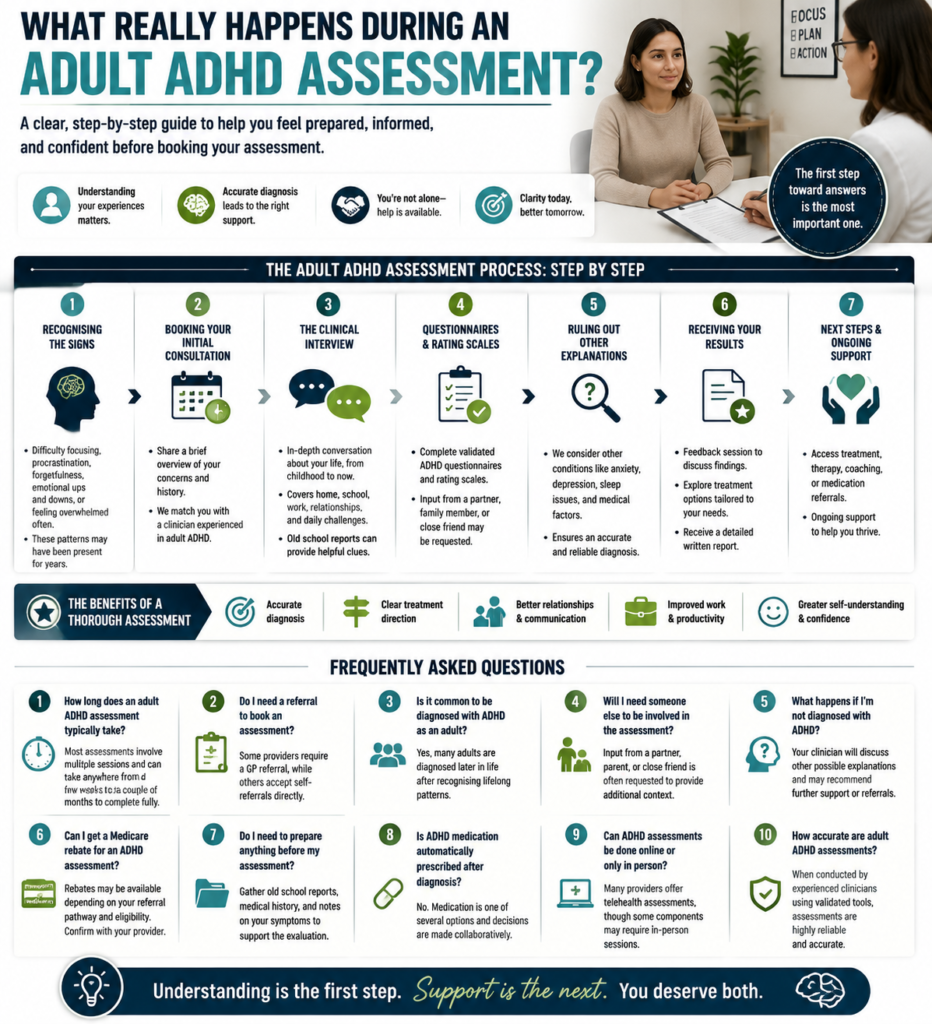
Adult ADHD doesn’t always look like the hyperactivity commonly associated with children. In adults, it often shows up as chronic procrastination, difficulty maintaining focus during meetings, forgetfulness, emotional dysregulation, or a persistent sense of being overwhelmed by everyday tasks. Many people also report a lifelong pattern of starting projects with enthusiasm but struggling to follow through.
If these experiences sound familiar, undergoing a proper neurodevelopmental evaluation can help clarify whether ADHD, or another underlying factor, is contributing to these challenges.
Booking Your Initial Consultation
The process typically begins with an initial phone or online enquiry, where you’ll share a brief overview of your concerns and relevant history. This helps clinicians determine whether a full comprehensive psychological assessment is appropriate and allows them to match you with a clinician experienced in adult presentations of ADHD, which can differ significantly from childhood symptoms.
During this stage, you may also be asked about any previous mental health diagnoses, medications, or family history, since ADHD often coexists with conditions like anxiety or depression.
The Clinical Interview: Getting to Know Your History
A thorough clinical interview process forms the backbone of any reliable ADHD assessment. This isn’t a quick checklist; it’s an in-depth conversation covering your developmental history, education, employment patterns, relationships, and daily functioning. Clinicians are trained to look for patterns that have persisted since childhood, even if they weren’t formally recognised at the time.
Bringing along old school reports, if available, can be genuinely helpful here, as they often provide valuable insight into early attention or behavioural patterns that support an accurate diagnostic evaluation.
Standardised Questionnaires and Rating Scales
Alongside the interview, most assessments include validated ADHD rating scales and self-report questionnaires designed to measure the frequency and severity of symptoms across different areas of life. In many cases, clinicians also request input from a partner, close friend, or family member to gain a more complete, external perspective on your day-to-day functioning.
This combination of self-reported and observer-based information helps create a more accurate, well-rounded picture than relying on self-assessment alone.
Ruling Out Other Explanations
A responsible assessment doesn’t just confirm or deny ADHD; it also considers other possible explanations for your symptoms. Conditions like anxiety, depression, sleep disorders, and even certain medical issues can mimic or overlap with ADHD symptoms. This is why a proper differential diagnosis process is such a critical part of the evaluation, ensuring you receive an accurate understanding of what’s really going on.
Skipping this step can lead to misdiagnosis, which is why working with qualified professionals experienced in mental health screening matters so much.
Receiving Your Results and Next Steps
Once all the information has been gathered and reviewed, you’ll attend a feedback session where your clinician explains the findings in detail. If ADHD is confirmed, this session typically includes a discussion of treatment options, which may involve therapy, medication referrals, coaching strategies, or a combination tailored to your specific needs.
You’ll also receive a written report summarising the psychological assessment report, which can be useful for accessing workplace accommodations, further medical care, or ongoing support services.
Why Choosing the Right Provider Matters
Not all adult adhd assessment Parramatta are created equal, and the quality of the clinician significantly impacts the accuracy and usefulness of your results. Look for providers with specific experience in adult ADHD diagnosis, transparent pricing, and a clear, structured process from start to finish. A trustworthy team will take the time to answer your questions and ensure you feel supported throughout what can be an emotionally significant experience.
Speak With an Experienced Clinician Today
Have questions before committing to an assessment? Contact Capacity Partners Therapy to chat with a qualified professional about your concerns.
Ready to Take the Next Step With Capacity Partners Therapy?
Book Your Adult ADHD Assessment With Capacity Partners Therapy
Ready to get clarity on your symptoms? Reach out to Capacity Partners Therapy today to book your comprehensive assessment.
Do I need a referral to book an assessment?
Some providers require a GP referral, while others accept self-referrals directly, so it’s worth checking beforehand.
Is it common to be diagnosed with ADHD as an adult?
Yes, many adults are diagnosed later in life, often after recognising lifelong patterns that were previously unexplained.
Will I need someone else to be involved in the assessment?
Input from a partner, parent, or close friend is often requested to provide additional context on your functioning.
What happens if I’m not diagnosed with ADHD?
Your clinician will discuss other possible explanations for your symptoms and may recommend further support or referrals.
Can I get a Medicare rebate for an ADHD assessment?
Rebates may be available depending on your referral pathway and eligibility, so it’s best to confirm with your provider.
Do I need to prepare anything before my assessment?
Gathering old school reports, medical history, and notes on your symptoms can help support a more accurate evaluation.
Is ADHD medication automatically prescribed after diagnosis?
No, medication is one of several options discussed, and decisions are made collaboratively based on your individual needs.
Can ADHD assessments be done online or only in person?
Many providers now offer telehealth assessments, though some components may still require in-person sessions.
How accurate are adult ADHD assessments?
When conducted by experienced clinicians using validated tools, assessments are considered highly reliable and accurate.

